
School meal standards in the United States are set nationally even though schools are run locally. The reason is financial: the federal government pays per meal and attaches conditions to the payment.
The program is a reimbursement, not a grant
Districts are paid a set amount for each qualifying meal served. Payment is per plate, so a school's revenue from the program tracks how many students actually eat.
Reimbursement rates are tiered by the student's household income category, with the highest rate for meals served free and lower rates for reduced-price and paid meals.
Because the money arrives meal by meal rather than as a block, the federal government can define what a meal must contain in order to be counted.
Meal patterns define a plate, not a recipe
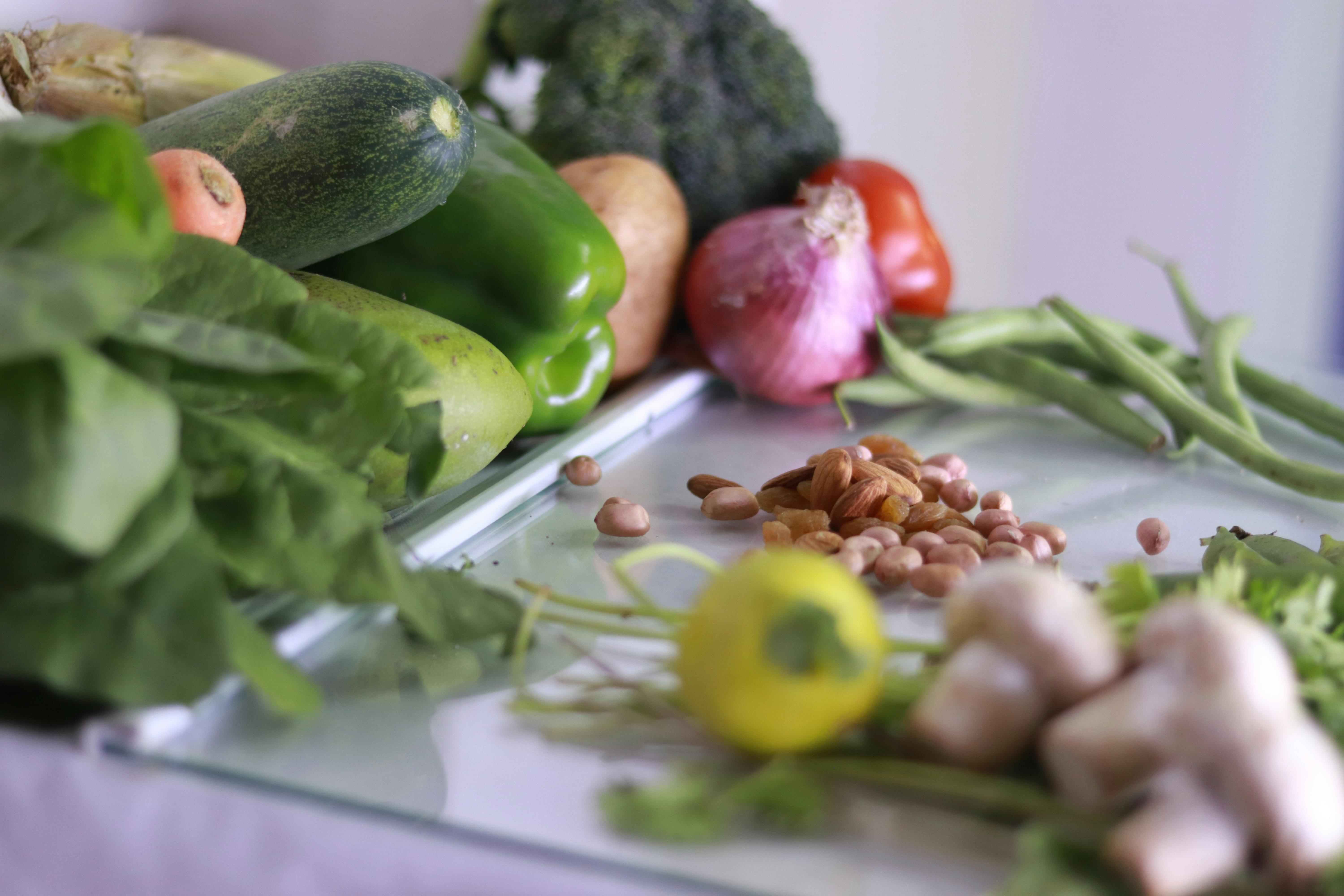
Standards are written as component requirements: a serving from specified groups such as fruit, vegetable, grain, protein and milk, in age-appropriate quantities.
Vegetables are further divided into subgroups so that a week's menus include a spread across them rather than repeating the cheapest option every day.
Additional limits apply across the week rather than per meal, covering things like calorie ranges, sodium and whole grain share, which gives kitchens room to plan menus.
Cost pressure runs through everything
Reimbursement has to cover food, labor, equipment and overhead. Labor is a large share, which pushes kitchens toward items requiring less preparation.
Districts that lost cooking equipment and trained staff during earlier decades of outsourcing often cannot easily return to scratch cooking, whatever the standards encourage.
Commodity food supplied through federal agricultural programs offsets part of the cost, which is one reason certain ingredients appear consistently on American school menus.
Participation determines whether the math works
A kitchen's costs are largely fixed once it opens for the day. If students decline the meal, the fixed cost is spread across fewer reimbursed plates.
This creates genuine tension between standards and uptake. A menu that meets every requirement but goes uneaten weakens the program financially and nutritionally at the same time.
Provisions that let high-poverty schools serve all students at no charge address this directly, since removing the payment step at the register raises participation.
Local control survives inside the rules
Districts choose vendors, write menus, set serving times and decide whether food is cooked on site or delivered finished from a central kitchen.
State agencies administer the program and conduct reviews, so the practical experience of the rules is filtered through a state office rather than a federal one.
Parents with questions about a specific child's dietary needs should work through the district's food service office and the child's clinician, since accommodations are handled case by case.