
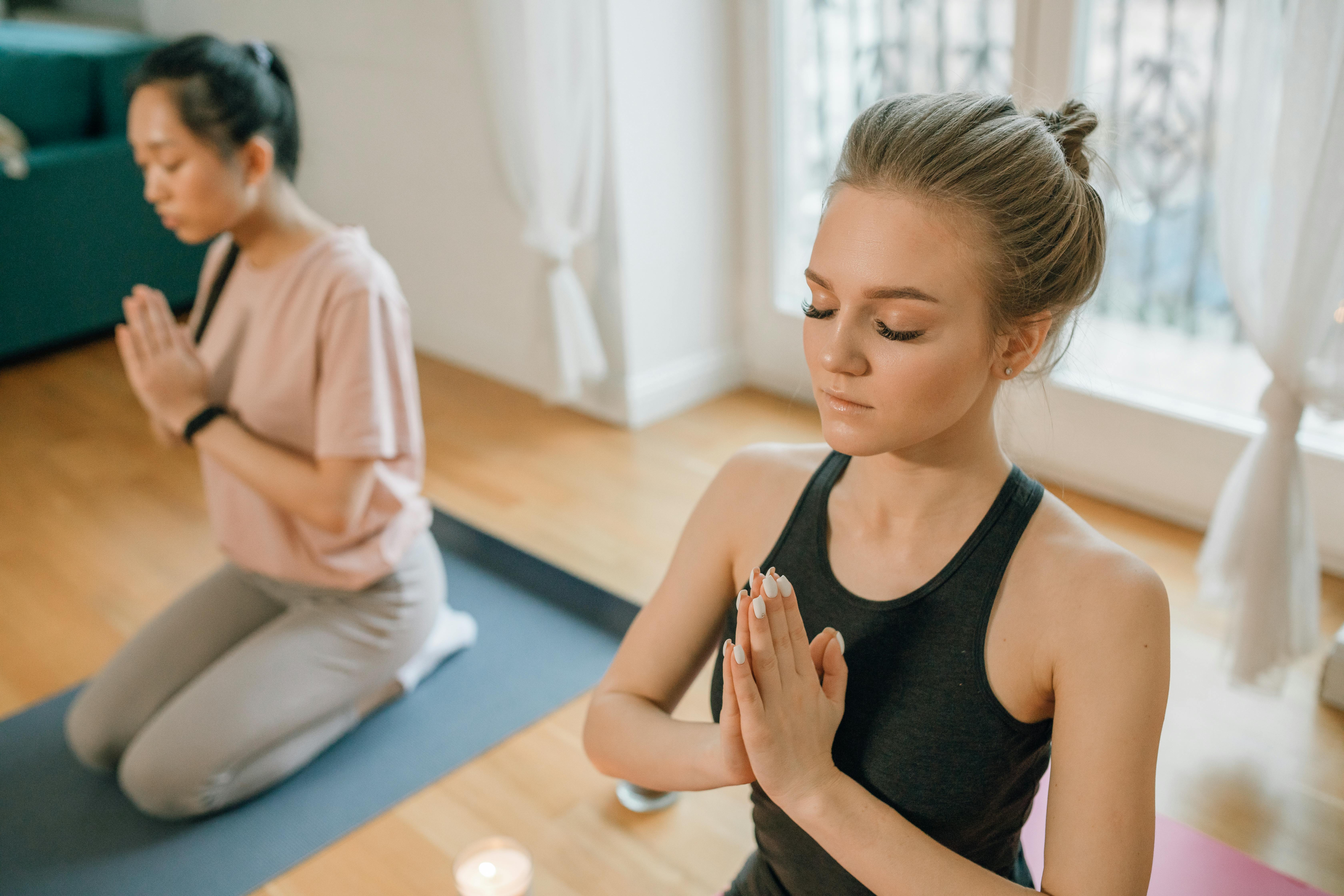
Discover the future of mindfulness with neuro-meditation in 2026! This in-depth guide explores how cutting-edge biofeedback, neurofeedback, and AI are revolutionizing stress reduction, focus, and sleep. Compare the leading neuro-meditation devices and personalized programs to find your path to peak mental performance and profound calm.
Introduction to the Topic
In a world that never truly switches off, the quest for inner peace, razor-sharp focus, and restorative sleep has become more urgent than ever. Traditional meditation practices have long offered a sanctuary, but what if you could accelerate your journey to profound calm and unlock your brain's ultimate potential with scientific precision? Welcome to 2026, where the answer lies in Neuro-Meditation – the revolutionary fusion of ancient mindfulness wisdom with cutting-edge neuroscience and artificial intelligence.
No longer confined to esoteric retreats or years of disciplined practice, neuro-meditation leverages advanced technology to provide real-time feedback on your brain and body's physiological states, guiding you directly into deeper meditative states. This isn't just about relaxation; it's about actively training your brain to optimize for resilience, creativity, and well-being. Whether you're a seasoned meditator looking to deepen your practice or a curious newcomer seeking effective tools for stress relief and cognitive enhancement, the landscape of digital wellness has evolved dramatically. Join us as we explore the trending technologies, expert insights, and the best neuro-meditation devices and personalized programs available today to transform your mental landscape.
Backgrounds & Facts
Neuro-meditation represents the next evolutionary leap from conventional mindfulness. While traditional meditation relies on subjective experience and sustained effort to cultivate awareness and regulate attention, neuro-meditation introduces an objective, data-driven approach. At its core are technologies like neurofeedback and biofeedback, which provide instantaneous information about your brainwave patterns, heart rate variability (HRV), skin conductance, and other physiological markers.
By 2026, these once clinical-grade technologies have become sophisticated, user-friendly consumer devices. Here's how they work:
- Neurofeedback: Using an Electroencephalography (EEG) headband, devices monitor your brainwave activity (e.g., alpha, theta, delta waves associated with different states of consciousness). As you meditate, the system provides auditory or visual cues – perhaps a calming soundscape intensifies as you enter a desired brainwave state, or a visual representation on a screen shifts to reflect your focus. This real-time feedback acts as a mirror, allowing you to consciously learn to regulate your brain activity, fostering states of deep relaxation, heightened focus, or creative flow.
- Biofeedback: This broader category encompasses feedback on physiological signals like heart rate, breathing, skin temperature, and muscle tension. Devices often measure Heart Rate Variability (HRV), a key indicator of autonomic nervous system balance. By observing your HRV in real-time, guided by an app, you can learn to consciously control your breath and thoughts to achieve a more coherent and relaxed state.
The integration of AI and machine learning has supercharged these systems. AI algorithms analyze your unique physiological data, learning your patterns and preferences to deliver truly personalized meditation protocols. This means your meditation journey is no longer one-size-fits-all but dynamically adapts to your progress, mood, and specific goals, optimizing every session for maximum impact. From reducing chronic stress and anxiety to boosting cognitive performance and improving sleep quality, neuro-meditation offers a scientifically validated pathway to mastering your mind.
Expert Opinion / Analysis
"Neuro-meditation isn't just about relaxation; it's about active brain training. By providing real-time feedback, we can teach individuals to intentionally shift their brainwave patterns, leading to profound and lasting changes in mood, focus, and resilience," explains Dr. Anya Sharma, a leading Neuroscientist and Meditation Researcher at the Global Brain Institute. "What's truly exciting in 2026 is how accessible and intuitive these tools have become, democratizing a practice that was once considered highly advanced."
The benefits, according to Dr. Sharma, extend beyond mere stress reduction. "We're seeing accelerated learning of meditative states, enhanced cognitive flexibility, improved emotional regulation, and even a significant impact on sleep architecture. Users are reporting not just feeling better, but performing better in all aspects of their lives – from creative problem-solving to interpersonal relationships."
Maya Chen, a prominent Digital Wellness Advocate and founder of 'Mindful Tech Futures,' emphasizes the personalization aspect. "The accessibility of these tools in 2026 means everyone can now embark on a truly personalized journey, moving beyond generic guided meditations to truly responsive, data-driven self-improvement. AI acts as your personal meditation coach, understanding your unique brain-body connection and tailoring content that resonates deeply and effectively."
However, experts also caution against over-reliance on technology. "While these devices are incredibly powerful tools, they are just that – tools," Dr. Sharma adds. "Consistent practice and integration of the insights into daily life remain paramount. The goal isn't to become dependent on a device, but to use it as a catalyst to cultivate intrinsic self-regulation skills." Concerns around data privacy and the ethical implications of brain-sensing technologies are also ongoing discussions, with leading brands actively implementing robust encryption and user control features to safeguard personal data.
💰 Best Options in Comparison (VERY IMPORTANT)
As neuro-meditation enters the mainstream, the market is brimming with innovative devices and platforms promising to elevate your mindfulness practice. To help you navigate the options and make an informed purchasing decision, we've rigorously evaluated the top contenders in 2026. Each offers a unique approach to harnessing brain and body data for personalized well-being.
1. NeuroMind Pro: The Elite Brain Trainer
For those serious about deep brain training and peak cognitive performance, the NeuroMind Pro stands out. This premium EEG headband offers multi-sensor precision, delivering unparalleled real-time brainwave analysis. Coupled with its AI-driven adaptive soundscapes and visual cues, it guides you into profound meditative states, accelerates focus training, and offers personalized sleep optimization protocols. It's an investment, but for dedicated users seeking measurable results in anxiety reduction and cognitive enhancement, it's a game-changer.
2. ZenFlow Bio: Stress Mastery & Emotional Regulation
The ZenFlow Bio is an excellent choice for individuals primarily focused on stress management, emotional regulation, and building resilience. This discreet wearable biofeedback sensor (wrist or clip-on) accurately measures Heart Rate Variability (HRV) and Galvanic Skin Response (GSR). Its accompanying app provides guided breathwork and real-time physiological feedback, helping you learn to consciously control your body's stress response. ZenFlow Bio offers a gentle yet highly effective entry point into biofeedback, perfect for beginners and busy professionals needing quick calm.
3. CogniCalm AI: Accessible Personalized Mindfulness
If you're looking for an accessible, app-based solution that leverages AI without requiring dedicated hardware (though it integrates with existing smart wearables for basic data), CogniCalm AI is your go-to. This subscription-only platform uses advanced AI and natural language processing to create truly personalized guided meditations based on your mood, goals, and even basic biometric data from connected devices. It's ideal for budget-conscious users, those new to meditation, or anyone preferring a flexible, app-centric approach to daily mindfulness and habit building.
| Feature | NeuroMind Pro | ZenFlow Bio | CogniCalm AI |
|---|---|---|---|
| Device Type | Premium EEG Headband | Wearable Biofeedback Sensor (Wrist/Clip-on) | App-only (integrates with smartwatches) |
| Core Technology | Advanced EEG Neurofeedback, AI-driven adaptive soundscapes | HRV & GSR Biofeedback, Guided Breathwork | AI-driven adaptive guided meditations, NLP for mood tracking |
| Key Benefits | Deep meditation, accelerated focus, anxiety reduction, cognitive enhancement, sleep optimization | Stress management, emotional regulation, improved resilience, quick relaxation | Accessible personalized meditation, mood enhancement, daily mindfulness, habit building |
| Personalization | Highly personalized, adapts to real-time brain states, evolving algorithms | Adaptive guidance based on physiological responses, progress tracking | Questionnaire-based, user feedback, basic biometric data integration, adaptive content |
| Price Range (Device + 1 Year Subscription) | $$ (Approx. $1300 / £1100 / €1200) | $$ (Approx. $550 / £450 / €500) | $ (Approx. $150 / £120 / €140 - Subscription Only) |
| Subscription Model | Mandatory premium app subscription for full features | Optional subscription for advanced programs and analytics | Monthly/annual subscription required |
| Ideal User | Serious meditators, professionals seeking peak cognitive performance, tech enthusiasts | Beginners to meditation, individuals focused on stress relief, wellness-focused users | Budget-conscious users, app-preference, existing smartwatch owners, new to meditation |
| Action | Explore NeuroMind Pro | Get ZenFlow Bio | Try CogniCalm AI Today |
Outlook & Trends
The future of neuro-meditation is poised for even more profound integration into our daily lives. By 2026, we are already seeing rapid advancements, but the horizon promises even more transformative experiences. Expect to see further miniaturization of devices, leading to seamless integration into everyday wearables like smart glasses, smart fabrics, and even discreet ear-mounted sensors that monitor your brain and body without you even noticing. This ubiquitous presence will make real-time mental wellness support a constant companion.
The convergence with Augmented Reality (AR) and Virtual Reality (VR) is also a significant trend. Imagine immersive meditation environments that dynamically respond to your brainwave states, creating personalized visual and auditory landscapes that guide you into unparalleled depths of calm and focus. These 'neuro-immersive' experiences will offer a level of engagement and escapism currently unimaginable.
Furthermore, neuro-meditation is expanding beyond individual use. Corporate wellness programs are increasingly adopting these technologies to enhance employee well-being, reduce burnout, and boost productivity. Educational institutions are exploring their potential to improve student focus, reduce test anxiety, and foster a more resilient learning environment. The ethical framework around data privacy and digital well-being will continue to evolve, with industry leaders pioneering transparent and secure practices to ensure user trust.
Ultimately, neuro-meditation is paving the way for a future where proactive mental health and cognitive optimization are not just aspirational but achievable for everyone, transforming our relationship with our own minds and unlocking unprecedented levels of human potential.
Conclusion
The year 2026 marks a pivotal moment in the evolution of mindfulness. Neuro-meditation, powered by sophisticated biofeedback, neurofeedback, and AI, offers a scientifically validated, personalized pathway to deeper calm, enhanced focus, and improved overall well-being. It's an empowering bridge between ancient wisdom and modern science, providing tangible tools to train your brain and master your mental landscape.
Whether you're seeking to alleviate stress, sharpen your cognitive abilities, or achieve truly restorative sleep, the options presented by NeuroMind Pro, ZenFlow Bio, and CogniCalm AI demonstrate the incredible diversity and effectiveness available today. Investing in a neuro-meditation device or program isn't just buying a gadget; it's investing in a better you – a more resilient, focused, and peaceful individual.
We encourage you to explore the comparisons, consider your personal goals and budget, and take the leap into this transformative practice. While technology acts as a powerful guide, remember that consistent practice and a genuine commitment to self-awareness remain the ultimate keys to unlocking your brain's full potential. Start your personalized neuro-meditation journey today and redefine what's possible for your mind and life!