
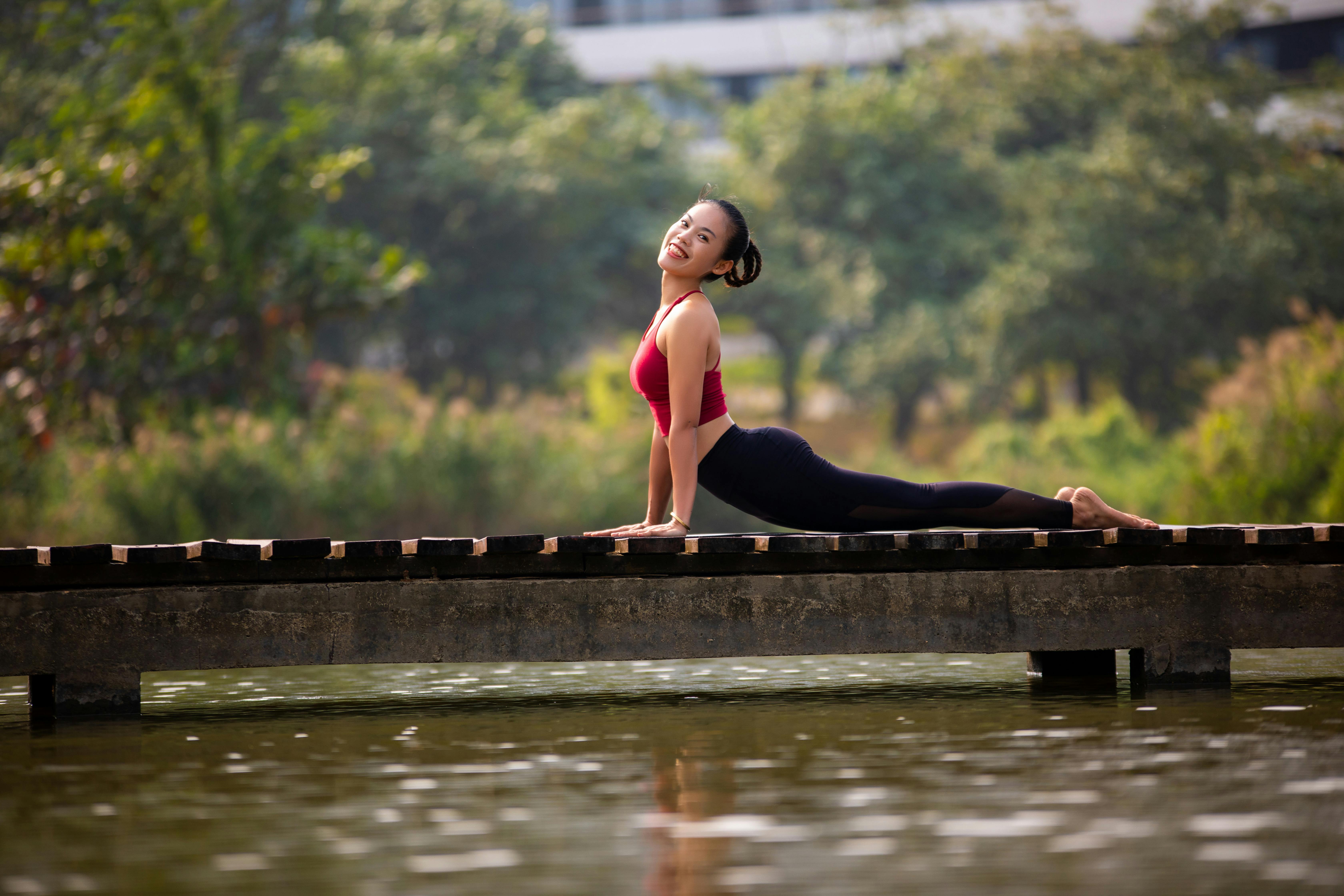
Yoga became a global practice through a traceable sequence of people and institutions rather than by gradual diffusion. The route it took shaped which parts of the tradition travelled.
Reform movements reframed it first
Indian reform movements of the nineteenth and early twentieth centuries presented yoga as a philosophical and universal system rather than a sectarian one.
That framing was directed partly at foreign audiences and partly at educated Indians, and it deliberately foregrounded ideas over ritual.
Presenting the practice as universal made it portable, because a system stated in general terms travels more easily than one embedded in local observance. It also answered colonial-era criticism by placing yoga alongside philosophy rather than superstition.
Touring teachers built the first audiences
Teachers who lectured abroad reached audiences already interested in comparative religion and alternative philosophy.
These early engagements were largely textual and philosophical. Physical practice featured lightly, and much of what was taught concerned meditation and ethics.
The lecture circuit established the word itself in Western usage decades before postural classes existed in any number.
Physical culture met the postural tradition
During the same period, Indian physical culture movements were drawing on gymnastics, wrestling training and indigenous exercise traditions.
Institutions teaching postural yoga developed within that environment, and the sequencing and vigour of some modern styles reflect it.
The result is a practice that is genuinely rooted in older traditions while having a recognisable twentieth-century form. Arguments about authenticity usually founder on treating those two facts as alternatives rather than as both true.
Students carried specific lineages abroad
The major styles taught internationally descend from a small number of teachers whose students established schools in other countries.
Each student emphasised different aspects, which is why styles descended from a shared teacher differ noticeably in pace, alignment and use of props.
Transmission through named lineages, rather than through institutions, is why authority in yoga is still commonly claimed by reference to a teacher.
What did not travel
The elements that moved most readily were postures, breathing practice and a general philosophical vocabulary.
Elements tied to a specific place, calendar or community moved far less: temple observance, dietary regulation and the long residential study relationship.
The gap between what arrived and what stayed behind is the source of most contemporary argument about what the practice is supposed to be. Studios importing the missing elements decades later are effectively reassembling something that was separated in transit.