
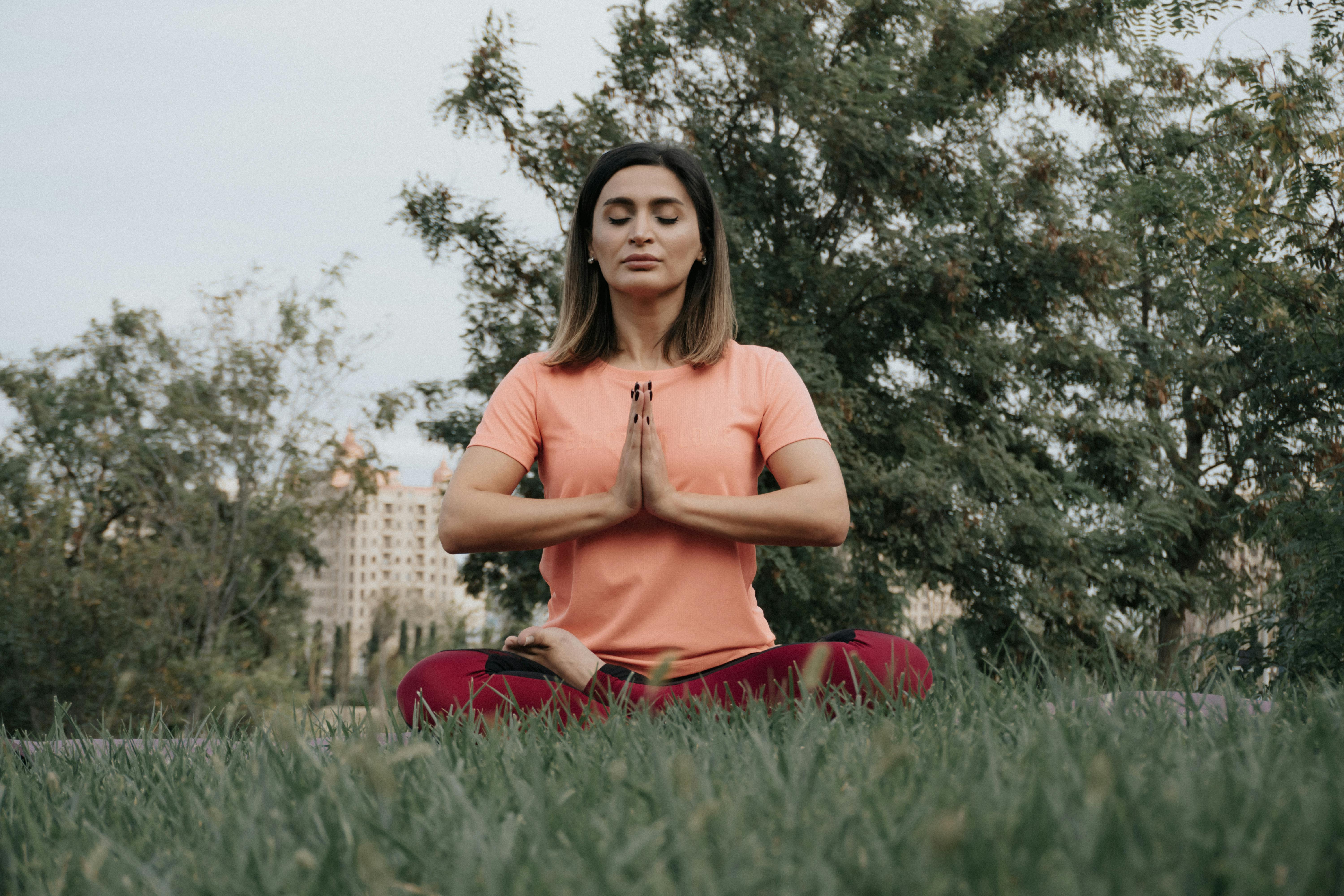
Yoga appears in many American public schools as a physical education unit or a classroom calming practice. Getting there required resolving a constitutional question about religion in public education.
The constitutional test shaped the design
Public schools in the United States may not advance religious practice. Any program with religious content invites a challenge under the establishment clause.
Yoga's origins in Indian religious traditions made this a live question, and lawsuits in American districts have tested whether school yoga programs cross the line.
Courts examining these programs have focused on how the practice is actually presented in the classroom rather than on its historical origins.
Vocabulary was translated deliberately
School programs generally use English pose names, so the posture becomes tree or downward dog rather than the Sanskrit term used in studios.
Chanting, mantra and devotional elements are removed. Salutation sequences are usually renamed or restructured so the reference is not carried into the gym.
Program developers describe this as secularization, and it is the specific change that allows the movement content to survive the legal test.
The claimed benefit is behavioral, not spiritual
Schools adopt these programs to address classroom behavior, transitions between activities and physical education requirements, and the stated goals are written that way.
Teachers use short breathing and stretching breaks to settle a room after recess or before testing, which is framed as classroom management.
Framing matters for adoption. A program presented as movement and self-regulation fits an existing curricular slot, while one presented as spiritual practice does not.
Delivery depends on who teaches it
Some districts contract outside instructors, some train classroom teachers in short workshops, and some fold the content into physical education already on staff.
Each route produces different quality. An outside specialist brings depth but leaves; a trained teacher stays but has limited preparation and many competing demands.
Funding usually comes from grants or nonprofits rather than the district budget, which is why programs often appear for a few years and then lapse.
Opt-out provisions remain standard
Districts typically allow families to withdraw a child from the activity, which functions as both a legal safeguard and a way to defuse objections.
Objections have come from families concerned about religious content and from those who see the secularized version as a misrepresentation of the tradition.
Where a child has a physical condition or an injury, participation should be cleared with a clinician, and the school should be told before the unit begins.