
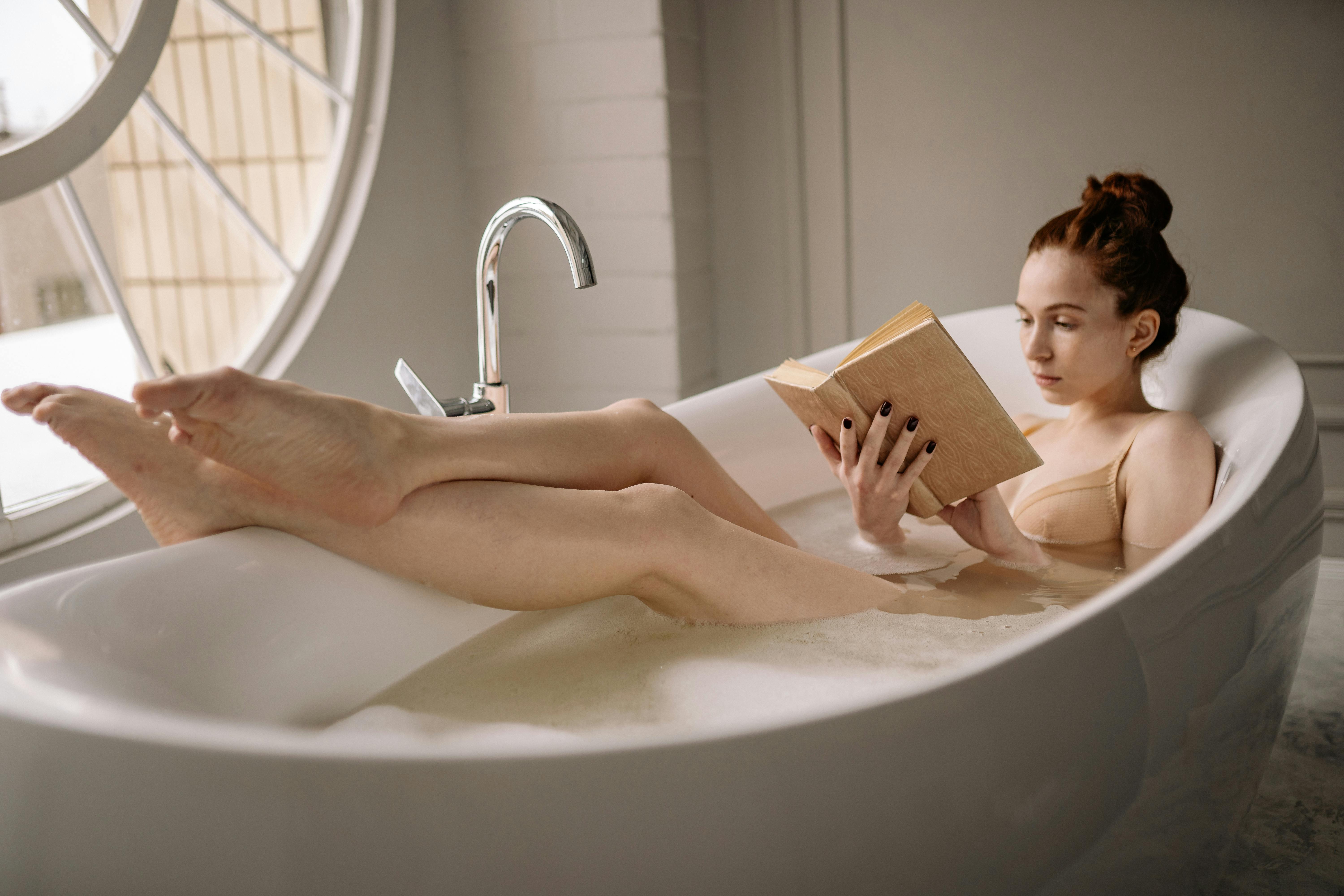
Self care now labels bath products, subscription boxes and holiday packages. The phrase arrived from clinical and political contexts, and its commercial usefulness explains why it spread so far from either.
The phrase began somewhere else entirely
In clinical use, self care described the tasks a patient performs for themselves between appointments: managing medication, dressing a wound, monitoring a long-term condition. It was a description of unsupervised labour, not of pleasure.
A separate strand came from activist writing, where attending to one's own condition was framed as necessary to sustain long political work. Both senses treated it as maintenance under pressure.
Neither original sense implied purchase. Both described something a person does, which is what makes the current usage a genuine shift rather than a broadening.
It attaches to anything
The term has no defined referent, so it can be applied to a candle, a gym membership, a cancelled evening or a medical appointment without straining.
That flexibility is commercially valuable in a way a specific term is not. A category defined by intention rather than by product can absorb any product at all.
Marketing departments reach for such terms precisely because they carry warmth without commitment, and because no competitor can claim exclusive ownership of them.
It sidesteps the rules on health claims
Stating that a product treats a condition invokes medical device or medicine regulation, with the evidence requirements that follow. Describing it as self care invokes nothing.
The phrase suggests benefit while remaining a statement about how the buyer might feel rather than about what the product does. Regulators have little to act on.
This is the same manoeuvre that wellness performs more broadly, and it is why both words appear so heavily on packaging in categories with no permitted claims.
Retail found a gap it filled well
Personal spending on small comforts is resilient, holding up in conditions where larger discretionary purchases fall away. Retailers describe this pattern under various names and plan around it.
Framing a modest purchase as care rather than indulgence removes the guilt that otherwise attaches to it, which measurably changes how readily people buy.
The framing also justifies repetition. Care is ongoing by definition, which supports subscription models far better than a one-off treat would.
The original meaning survives underneath
People still use the phrase for things nobody sells: declining an invitation, going to bed early, leaving a group chat, booking the appointment that has been postponed.
Those uses are closer to the clinical sense, describing maintenance work that is unglamorous and often unpleasant to carry out.
The gap between that meaning and the retail one is why the term now draws so much irony, and why the practices that most resemble the original are the ones least represented on a shelf.