
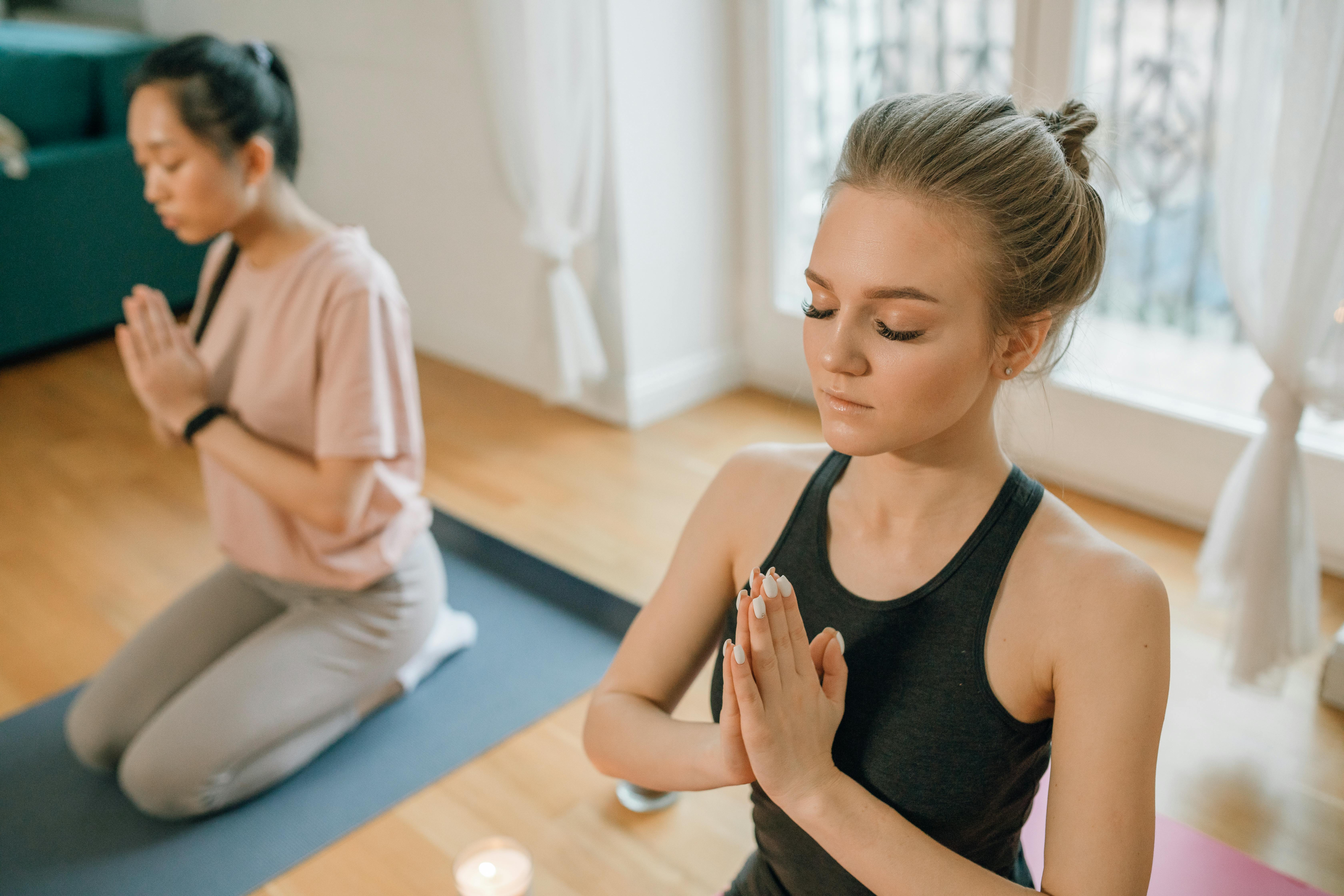
Discover how virtual reality (VR) and augmented reality (AR) are transforming meditation in 2026, offering unparalleled immersive experiences for stress relief, anxiety reduction, and digital detox. Explore top VR headsets, AR apps, and biofeedback-integrated platforms to elevate your mindfulness practice and achieve profound inner peace.
Introduction to the Topic
In the relentless pace of 2026, where digital notifications ceaselessly vie for our attention and global anxieties often feel overwhelming, finding a sanctuary for the mind has never been more crucial. Traditional meditation practices have long offered a path to inner peace, but for many, the struggle to quiet a racing mind amidst constant external stimuli remains a formidable challenge. Enter the next frontier of mindfulness: Virtual Reality (VR) and Augmented Reality (AR) meditation. Once considered niche tech, these immersive technologies have matured into powerful tools, revolutionizing how we access profound states of calm, focus, and self-awareness. At alignvibegrounds.com, we believe in harnessing innovation for holistic well-being, and VR/AR meditation represents a pivotal leap forward in our collective journey towards mental wellness. This article will guide you through the burgeoning landscape of immersive mindfulness, dissecting its benefits, exploring the leading options, and revealing how you can integrate this cutting-edge approach into your daily routine for unparalleled digital detox and stress relief.
Backgrounds & Facts
The concept of using technology to enhance well-being isn't new, but the sophistication of VR and AR in 2026 has pushed boundaries far beyond simple apps. VR meditation plunges users into entirely simulated environments—think serene mountain vistas, bioluminescent forests, or even abstract cosmic journeys—designed to eliminate external distractions and foster deep immersion. AR, on the other hand, overlays digital elements onto your real-world view, offering guided meditations that subtly enhance your existing surroundings, transforming your living room into a tranquil space without disconnecting you entirely. The scientific community has been increasingly validating the efficacy of these tools. Research published in journals like Frontiers in Psychology and Cyberpsychology, Behavior, and Social Networking has demonstrated VR's capacity to significantly reduce anxiety, manage chronic pain, and improve mood by altering brainwave patterns and facilitating a 'flow state.' In 2026, advancements in haptic feedback, spatial audio, and even scent integration are making these experiences more multi-sensory and profoundly impactful. Furthermore, the integration of biofeedback sensors (like EEG headbands or heart rate monitors) directly into VR/AR platforms allows for real-time personalization, guiding users into deeper states of relaxation by responding to their physiological data. This personalized approach is a game-changer, moving beyond one-size-fits-all meditations to truly adaptive wellness journeys. The market for mental wellness technology is projected to exceed $20 billion by 2030, with immersive meditation playing a significant role in this growth, driven by increasing consumer demand for effective, accessible, and engaging mental health solutions.
Expert Opinion / Analysis
“We’re witnessing a paradigm shift in how we approach mindfulness,” states Dr. Elena Petrova, a leading neuroscientist and co-founder of the Global Institute for Digital Wellness. “For centuries, meditation has relied on the ability to internally block out distractions. VR and AR offer an external, technologically assisted pathway to that same state, and often, a more immediate one for the modern mind. The power lies in their ability to create an 'attentional anchor' that is both captivating and conducive to calm.” Dr. Petrova emphasizes that while traditional meditation teaches the mind to be present with reality, immersive tech can *craft* an ideal reality for presence. “This is particularly beneficial for individuals struggling with high anxiety, ADHD, or those new to meditation who find it hard to focus. The carefully curated visuals, sounds, and even haptic sensations can gently guide the brain into alpha and theta wave states, characteristic of deep relaxation and meditative insight.” However, Dr. Petrova also cautions against over-reliance. “The goal isn't to escape reality permanently, but to use these tools as a training ground. They build the neural pathways for focus and calm, which can then be applied in your everyday life, even without the headset. It’s about empowerment, not dependence.” She predicts that by 2030, personalized AI meditation guides within VR/AR environments, capable of adapting to a user's real-time emotional and physiological state, will be commonplace, blurring the lines between wellness tech and therapeutic intervention. The ethical considerations around data privacy and the potential for 'digital escapism' are ongoing discussions, but the overwhelming consensus among experts is that when used mindfully, VR/AR meditation is a powerful ally in the quest for mental well-being.
💰 Best Options in Comparison (VERY IMPORTANT)
Ready to dive into the future of mindfulness? The market for VR and AR meditation experiences is robust in 2026, offering diverse options for every budget and preference. Here’s a breakdown of the best pathways to immersive serenity, designed to help you make an informed purchase decision:
-
Dedicated VR Headsets & Platforms: For Ultimate Immersion
These options provide the deepest dive into virtual worlds, offering unparalleled sensory occlusion and powerful graphics. Ideal for those seeking a complete escape and a truly transformative experience.
Top Picks:
- Meta Quest 4 Pro: The current industry standard for consumer VR, offering high-resolution displays, excellent tracking, and a vast ecosystem of apps. Prices typically range from $600-$900.
- Apple Vision Pro (2nd Gen): While premium-priced ($3000+), its spatial computing capabilities and seamless integration with the Apple ecosystem make it a top-tier choice for those prioritizing visual fidelity and intuitive interaction.
- TRIPP: A leading VR meditation platform (subscription-based, ~$20/month) available on Quest and Vision Pro, known for its psychedelic visuals and scientifically backed experiences designed to shift consciousness.
- CalmVR / Flow State VR: Dedicated apps offering guided meditations, breathtaking environments, and often biofeedback integration for a deeply personalized journey.
-
AR Apps for Smartphones & Smart Glasses: For Seamless Integration
If you prefer to enhance your existing reality rather than escape it, AR solutions are perfect. They leverage your smartphone or smart glasses to overlay meditative elements onto your physical environment, making mindfulness accessible anywhere.
Top Picks:
- Mindful AR: A popular app (subscription-based, ~$10/month) that projects calming visual effects (e.g., gentle rain, floating mandalas) and guided audio into your real space using your phone's camera.
- Aura for AR: An extension of the well-known Aura meditation app, offering short, customizable AR mindfulness breaks that can be accessed via smartphone or compatible smart glasses like Ray-Ban Stories (2nd Gen) or upcoming Google Glass iterations.
- BREATHE+ (AR Mode): Focuses on guided breathing exercises visualized as interactive elements within your physical surroundings, promoting immediate stress reduction.
-
Biofeedback Integrated Systems: For Personalized Neuro-Training
These systems combine immersive experiences with real-time physiological data, allowing you to see and feel your progress. They're excellent for advanced practitioners or those seeking measurable results in stress reduction and focus improvement.
Top Picks:
- Muse S (2nd Gen) with VR/AR Integration: This advanced EEG headband tracks brain activity, heart rate, and breath, feeding data directly into compatible VR/AR meditation apps (e.g., Flow State VR, specific TRIPP modules) to provide real-time audio cues and visual feedback. Device costs ~$350, app subscriptions vary.
- HeartMath Inner Balance Coherence Plus: While primarily a standalone device, its new AR-compatible version integrates with smartphone AR apps to provide real-time heart rate variability (HRV) feedback, guiding you into a state of physiological coherence. Device costs ~$200.
To help you compare these transformative tools, here’s a detailed table:
| Feature / Option | Dedicated VR Headsets & Platforms | AR Apps (Smartphones/Smart Glasses) | Biofeedback Integrated Systems |
|---|---|---|---|
| Immersion Level | Deepest, full sensory occlusion | Moderate, overlays digital content onto reality | Varies, enhances existing VR/AR or standalone experiences |
| Accessibility / Cost | High initial investment (hardware: $600-$3000+; software: $10-25/month) | Low (if you own a smartphone/glasses); apps: $5-15/month | Moderate to High (additional sensors: $200-$400; plus VR/AR costs) |
| Key Benefit | Total escape, profound focus, digital detox | Seamless integration, subtle enhancement of real environment | Personalized progress, measurable mental training, deeper self-regulation |
| Best For | Serious practitioners, deep relaxation, overcoming distractions | On-the-go mindfulness, subtle environmental enhancement, casual users | Advanced users, those seeking data-driven insights, therapeutic applications |
| Recommended Products | Meta Quest 4 Pro, Apple Vision Pro, TRIPP, CalmVR | Mindful AR, Aura for AR, BREATHE+, Ray-Ban Stories (2nd Gen) | Muse S (2nd Gen), HeartMath Inner Balance Coherence Plus |
| Purchase / Explore | Shop VR Headsets & Apps | Explore AR Apps & Smart Glasses | Get Biofeedback Gear |
Outlook & Trends
The trajectory for VR and AR meditation is nothing short of revolutionary. By the end of the decade, we can expect even more sophisticated AI integration, where digital guides will not only adapt to your real-time physiological data but also learn your preferences, emotional states, and even predict optimal meditation protocols for your unique needs. Haptic feedback suits that simulate gentle breezes or calming vibrations will become more commonplace, enhancing the tactile dimension of immersion. Scent cartridges, synchronized with virtual environments, will add another layer of sensory richness, from forest pine to ocean mist. Beyond individual use, VR/AR meditation is poised for widespread adoption in corporate wellness programs, healthcare settings for pain management and mental health therapy, and educational institutions for focus and stress reduction. The concept of 'metaverse mindfulness' — shared virtual spaces where groups can meditate together, guided by AI or human instructors — is also gaining traction, promising a new era of communal digital well-being. The challenge will be to ensure these powerful tools remain accessible and ethically developed, fostering genuine connection and personal growth rather than mere escapism. alignvibegrounds.com will continue to monitor these developments, ensuring our readers have access to the most effective and responsible pathways to digital serenity.
Conclusion
In 2026, the journey to inner peace is no longer confined to a quiet room or a yoga mat. Virtual and augmented reality meditation offer a groundbreaking, accessible, and profoundly effective pathway to mental well-being, stress relief, and digital detox. By leveraging cutting-edge technology, these immersive experiences allow us to transcend daily distractions, cultivate deep focus, and restore our mental equilibrium. Whether you opt for the total immersion of a dedicated VR headset, the seamless integration of an AR app, or the personalized insights of a biofeedback system, the future of mindfulness is here, and it's more engaging than ever. Don't let the noise of the world dictate your inner state. Explore the options presented, invest in your mental wellness, and embark on a transformative journey with VR and AR meditation. Your calmer, more focused self awaits.